Software
Tools and software
We release our models as tools that other scientists can use. XenoSite runs in the browser; other code is on the lab GitHub.
XenoSite
Open XenoSiteXenoSite predicts how small molecules are metabolized by liver enzymes and whether they, or their metabolites, are likely to be reactive. Draw or paste a molecule and each model highlights the atoms most likely to be involved. XenoSite is free for academic and non-commercial use. Licenses for commercial use and programmatic access are available. Questions and feedback are welcome on the XenoSite forum.
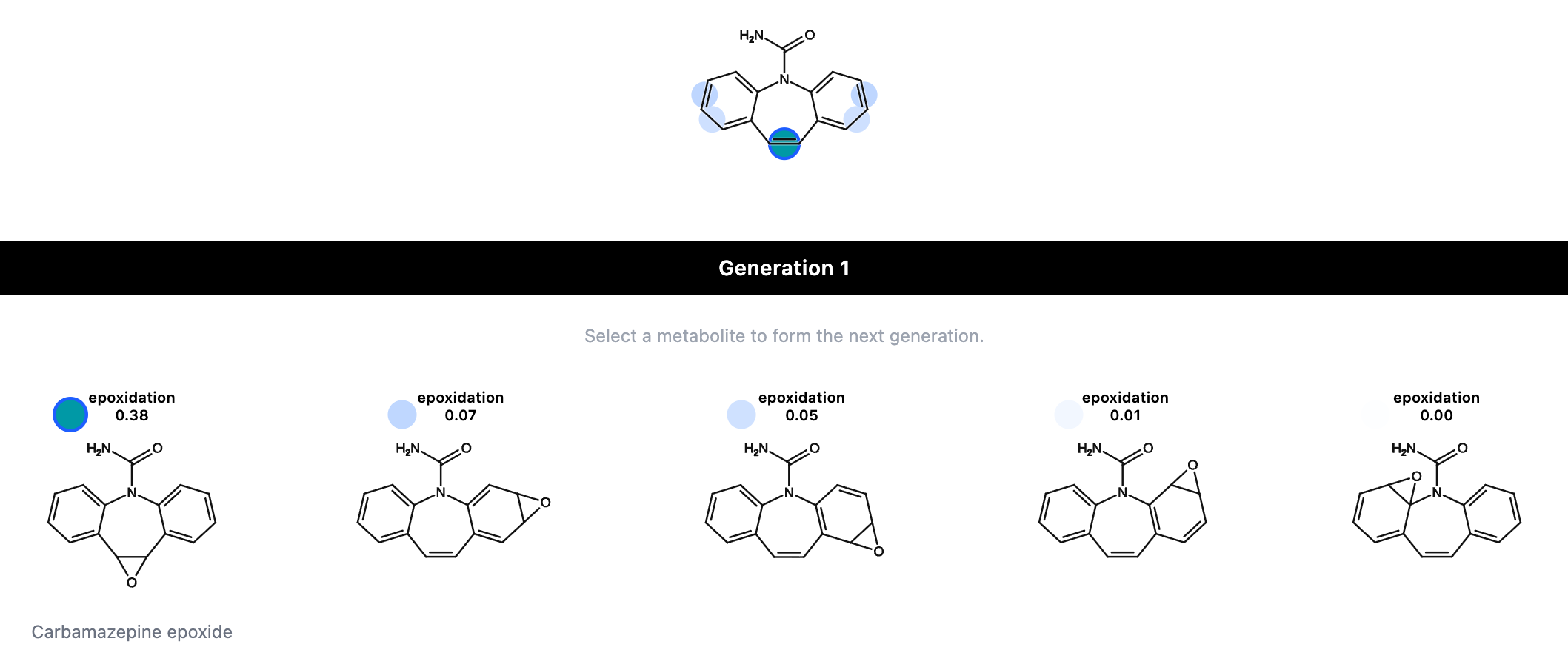
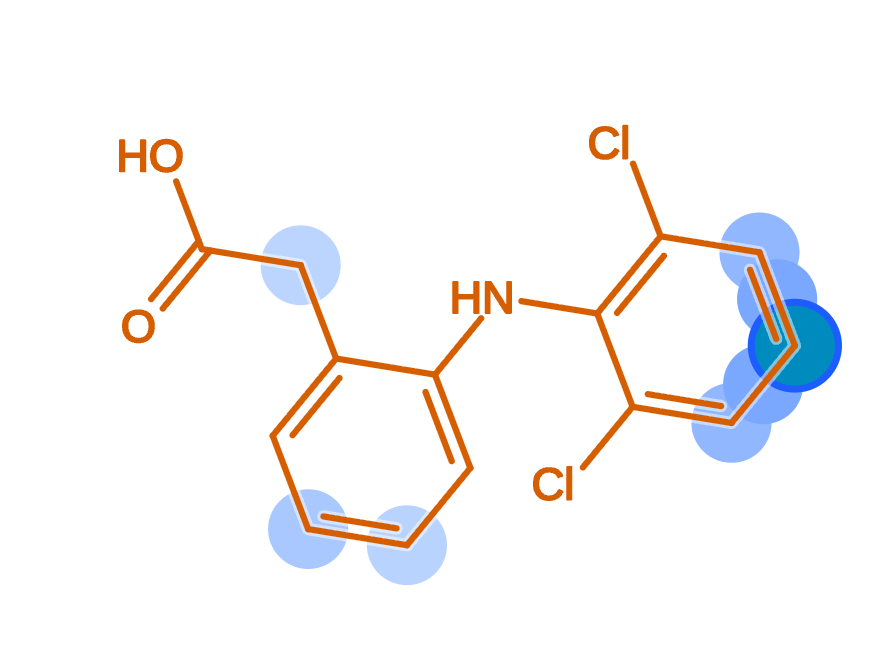
Phase I metabolism
Predicts sites of metabolism and reaction type across five reaction classes (stable and unstable oxidation, dehydrogenation, hydrolysis, reduction). Trained on 20,736 human Phase I reactions; 97.1% cross-validated AUC.
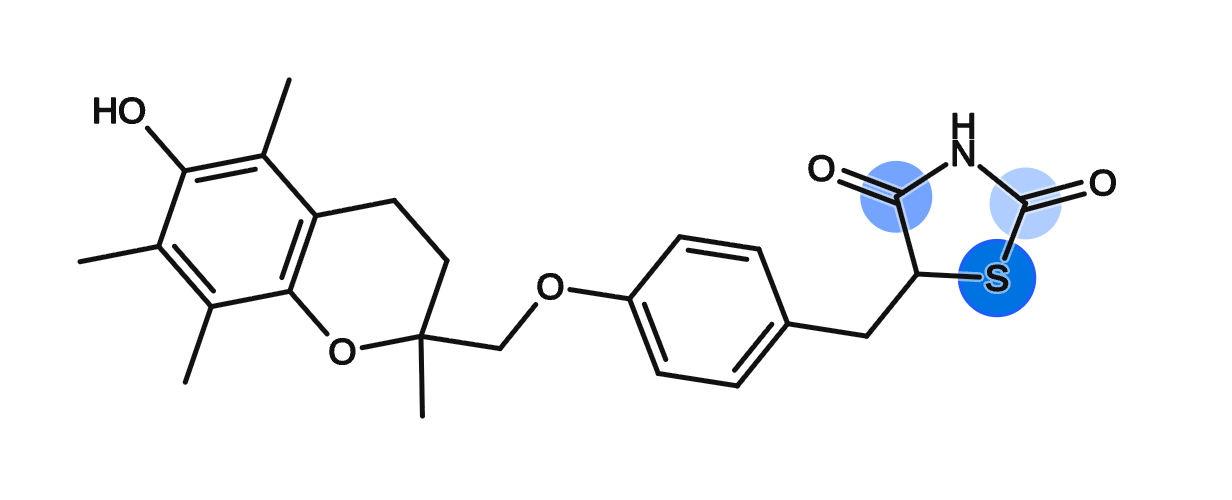
Reactivity
Predicts which atoms react with DNA, protein and glutathione, and which molecules are reactive at all. Uses a deep multitask network; 89.8% AUC for DNA and 94.4% AUC for protein sites of reactivity.
Cite: Hughes et al., ACS Cent Sci 2016; Hughes et al., Chem Res Toxicol 2015
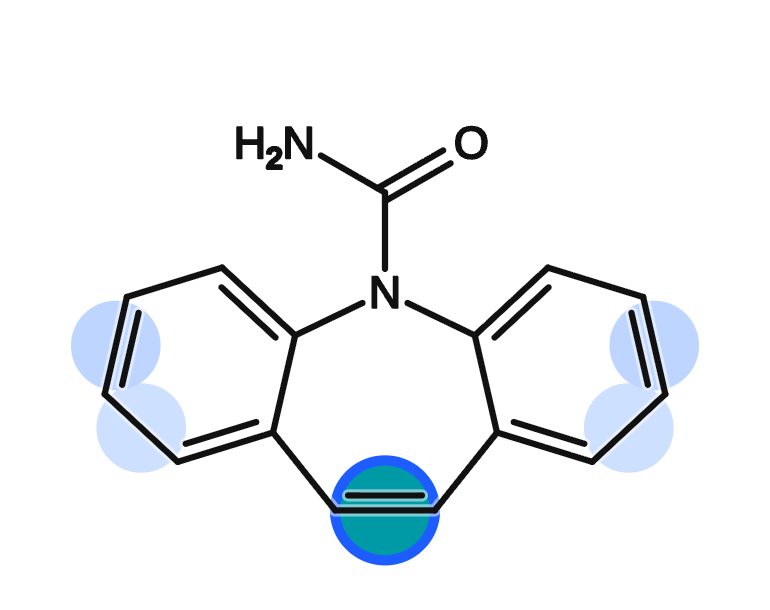
Epoxidation
Identifies sites of epoxidation by cytochromes P450, a common source of reactive metabolites, with 94.9% AUC.
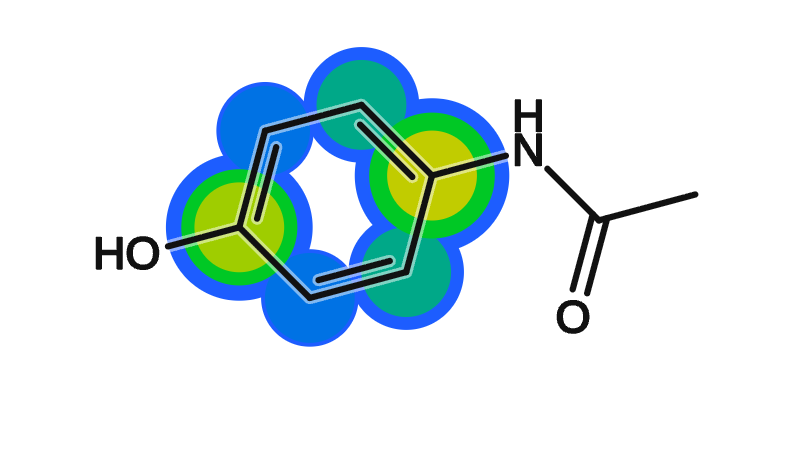
Quinone formation
The first published model of one- and two-step quinone formation, which accounts for over 40% of known reactive metabolites. Predicts sites of quinone formation with 97.6% AUC.
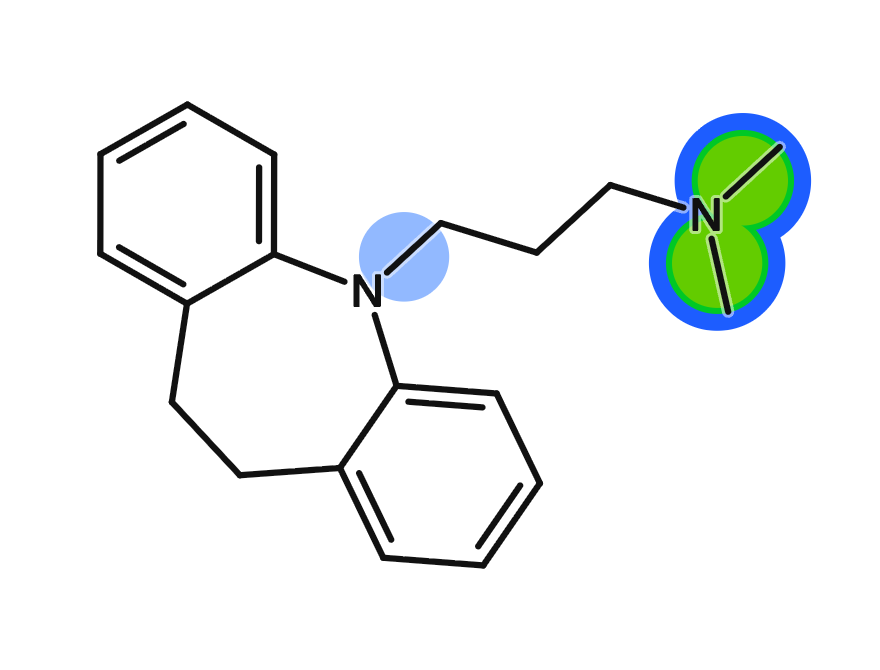
N-Dealkylation
Predicts sites of N-dealkylation, a pathway that can release reactive aldehydes, with 97% top-two accuracy.
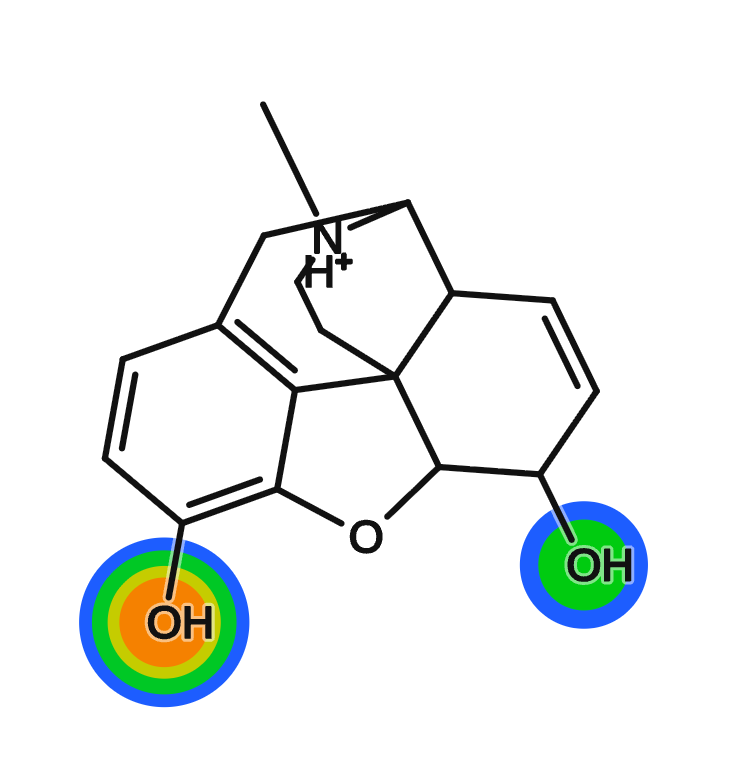
UGT conjugation
Predicts sites of glucuronidation by UGT enzymes, which metabolize about 15% of approved drugs. 86% top-one and 97% top-two accuracy.
Open source
github.com/swamidasslabxenosite-predict
Python package for the XenoSite predictors, built on RDKit and ONNX (in development).
xenosite-forest
Metabolic Forest: enumerates the structures of possible metabolites from reaction rules. (Hughes et al., J Chem Inf Model 2020)
CROC
Computes ROC curves and concentrated ROC (CROC) curves for measuring early retrieval. (Swamidass et al., Bioinformatics 2010)
xenopict
Publication-quality 2D depictions of small molecules, shaded by atom- or bond-level properties such as predicted sites of metabolism.
tiffslide-xarray
Integrates the TiffSlide whole-slide image reader with xarray, for analysis of digital pathology images.
race_adversarial_vae
Code accompanying our study of adversarial autoencoders for understanding and mitigating the impact of race in medical data. (Sarullo et al., Commun Med (Lond) 2024)
Scaffold Network Generator
Builds scaffold networks that organize and mine collections of small molecules. The original source repository is no longer online. (Matlock et al., Bioinformatics 2013)